About CLS50 Inductive Conductivity Sensor
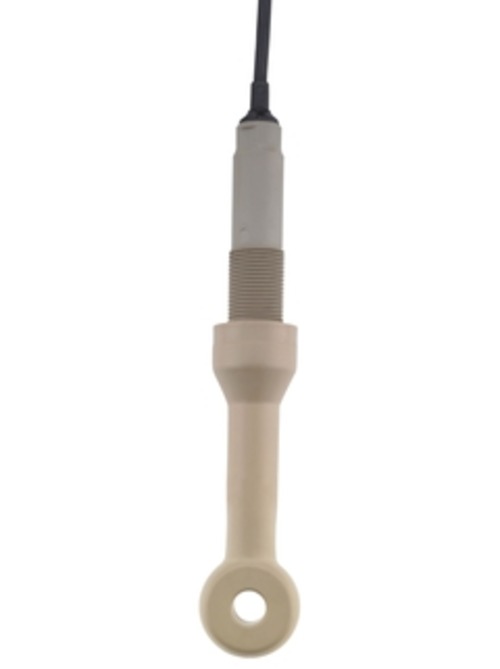
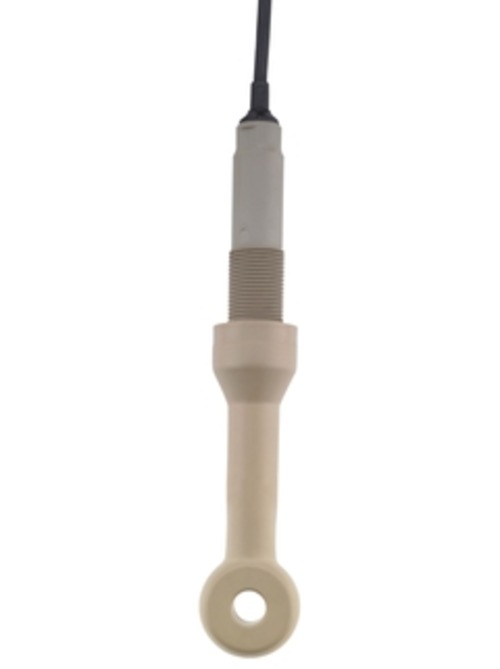
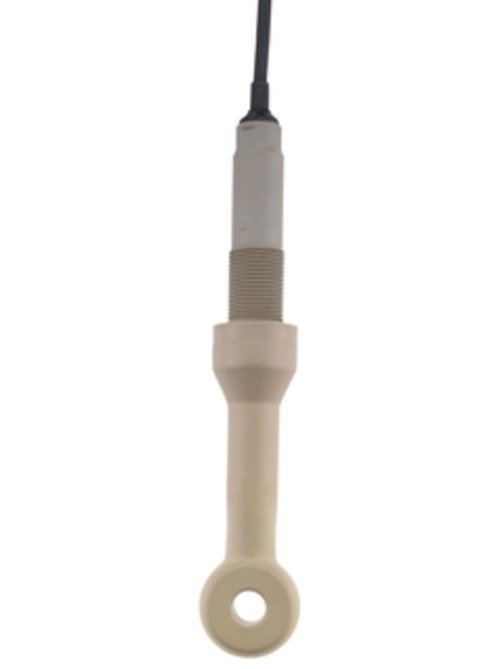
Endress Hauser Conducta USA MAke Indumax CLS50 is an inductive conductivity sensor for standard, hazardous and high-temperature applications. Benefit from high chemical resistance and long durability thanks to robust materials (PFA, PEEK). Moreover, it is insensitive to soiling and performs reliable and repeatable even in harsh and aggressive media. The wide temperature range of -20 to +180 C leaves nothing to be desired.
Exceptional Durability and SafetyBuilt for longevity, the Indumax CLS50 is constructed with high-quality PEEK or PFA, making it highly resistant to harsh chemicals and extreme temperatures. Its robust design, combined with internationally recognized explosion protection certifications, ensures safe usage even in hazardous areas, providing peace of mind in critical installations.
Versatile Industry ApplicationsThis inductive conductivity sensor is indispensable in sectors like chemicals (for concentration measurement and quality control), food & beverages (for product phase separation), and wastewater treatment (for precise inlet monitoring). Its flexible configuration allows seamless integration into pipes, tanks, and various process setups.
FAQ's of CLS50 Inductive Conductivity Sensor:
Q: How does the CLS50 measure conductivity in challenging process conditions?
A: The CLS50 uses inductive, non-contact technology for toroidal conductivity measurement, allowing it to remain unaffected by contamination or fouling. Its robust sensor opening and dirt-repellent materials ensure accurate readings even in harsh industrial environments.
Q: What are the primary applications for the Indumax CLS50 sensor?
A: The Indumax CLS50 excels in industries such as chemicals (measuring acid/base concentrations and monitoring product quality in tanks and pipes), food & beverages (phase separation in pipelines), and wastewater treatment (inlet monitoring).
Q: When should the CLS50 be selected over other sensor types?
A: The CLS50 is ideal when you need conductivity measurements in aggressive media, high-pressure (up to 16 bar), or high-temperature environments (up to 125C), or in hazardous areas where explosion protection is essential.
Q: Where can the sensor be installed within a process system?
A: The sensor is versatile and can be installed in tanks, pipes, or inline setups across chemical plants, beverage processing lines, and wastewater facilities, offering reliable measurement wherever toroidal conductivity monitoring is needed.
Q: What is the advantage of the sensor's dirt-repellent and large opening design?
A: Its dirt-repellent materials and wide sensor opening prevent blockages and buildup, reducing maintenance frequency and ensuring greater accuracy and reliability in process measurements.
Q: How does the CLS50 support operations in hazardous zones?
A: Thanks to its compliance with ATEX, FM, CSA, and NEPSI certifications, the CLS50 can be safely deployed in hazardous zones where explosive gases or dust may be present.
 Send Inquiry



 Send Inquiry


 Send Inquiry
 English
 Spanish
 French
 German
 Italian
 Chinese (Simplified)
 Japanese
 Korean
 Arabic
 Portuguese